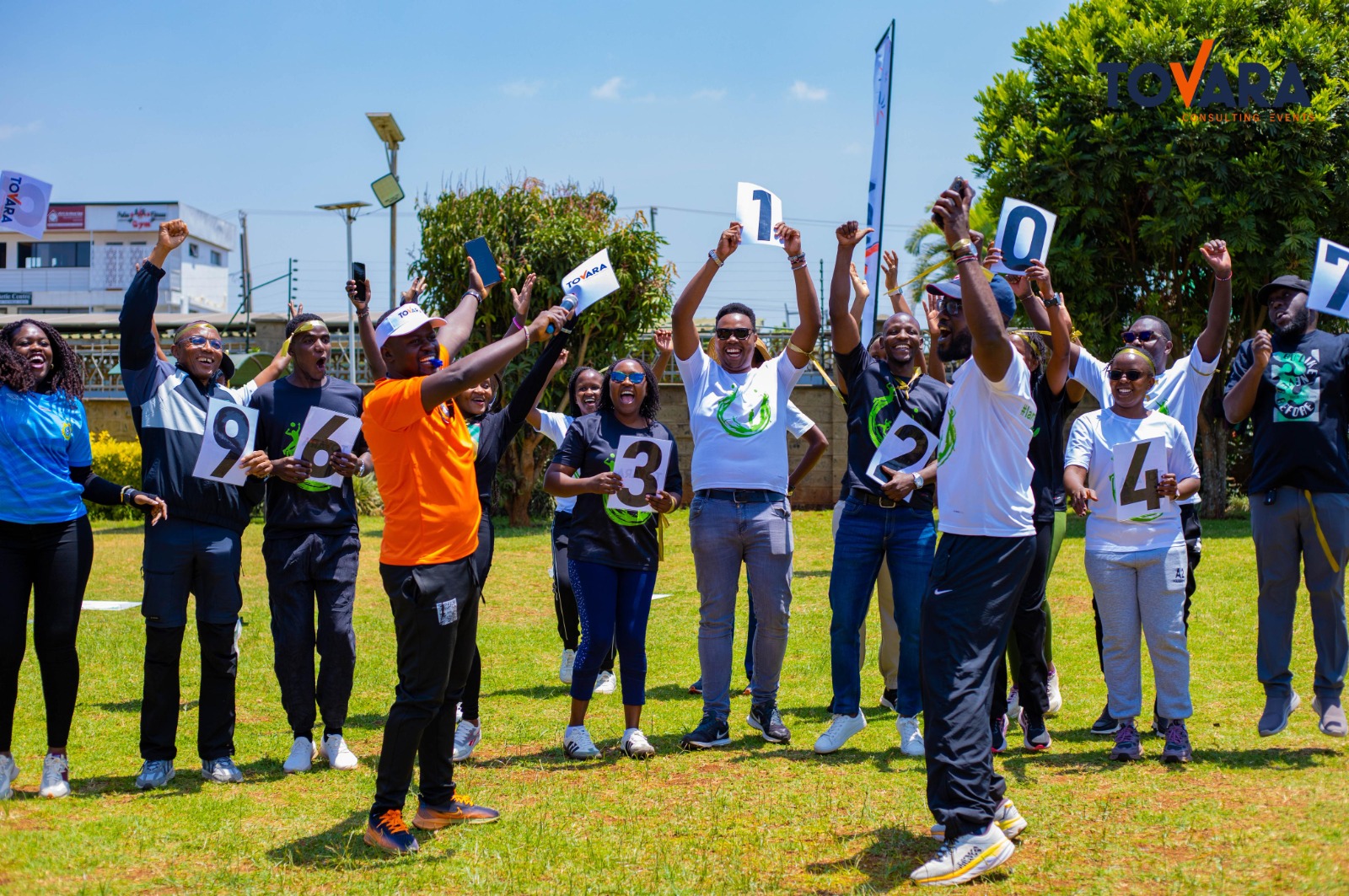
Corporate team building in Kenya has moved beyond simply taking staff out of the office for a day of games, food and photos. Companies are increasingly looking for experiences that are enjoyable, well organised and relevant to how their teams actually work. A good team building programme can help colleagues interact outside their normal roles, improve communication, strengthen working relationships and create space for honest reflection. It can also simply give employees a chance to relax, celebrate progress and reconnect after a demanding period.
The important part is knowing what you want the day to achieve before choosing activities, a venue or a package.
If you are planning a team building event in Kenya, this guide will help you think through the objectives, activities, team size, destinations, costs, package inclusions and the questions to ask before choosing a provider.
If you are planning a team building event in Kenya, this guide will help you think through the objectives, activities, team size, destinations, costs, package inclusions and the questions to ask before choosing a provider.
What Is Corporate Team Building?
Corporate team building is a planned experience that brings employees together outside their usual work routine to strengthen relationships, practise useful team behaviours or simply reconnect as colleagues. Depending on the objective, a programme may combine experiential activities, problem solving challenges, friendly competition, facilitated discussions, adventure, wellness, entertainment or social interaction.
There are two parts worth separating. The first is the experience, meaning what participants actually do. The second is the outcome, meaning what the organisation wants the team to gain from the experience.
For example, one company may want better collaboration between departments. Another may want to address accountability and ownership. A third may simply want to appreciate staff and end the year on a high note. All three are valid objectives, but they should not automatically receive the same programme. A good programme should also create space for an icebreaker at the beginning. The purpose is not simply to play a quick game. It helps participants loosen up, drop job titles and formal workplace roles for a while, and become more comfortable interacting as one team before the main activities begin.
Why Kenyan Companies Invest in Team Building
Organisations arrange team building for different reasons. Some are responding to communication gaps, departmental silos, conflict, low morale or leadership challenges. Others are welcoming new employees, bringing remote teams together, going through change or preparing for a demanding period of work.
Sometimes there is no workplace problem to solve. A team may have performed well and simply deserves a good day together. Trying to turn every fun activity into a serious training lesson can make an otherwise good experience feel forced. A useful planning question is simple: What should people leave this experience feeling, understanding or doing differently? That answer should guide the programme.
How to Choose the Right Team Building Programme
Do not begin with a list of games. Begin with the team. Before requesting proposals, identify the two or three outcomes that matter most. Trying to fix every workplace issue in one team building day usually leads to a programme that touches many topics without going deep enough on any of them.
Communication and collaboration
Where teams struggle with information sharing, listening or working across departments, activities can be designed to make communication and interdependence visible. The facilitator should then help participants connect what happened in the activity with what happens at work.
Leadership and accountability
Leadership activities can reveal who takes initiative, how people make decisions, whether roles are clear and what happens when a plan fails. The aim is not to label participants. It is to create a safe opportunity to notice behaviours and discuss what the team can learn from them.
Employee engagement and morale
For teams that have been under pressure, a lighter programme may be exactly what is needed. Music, friendly challenges, recognition, social interaction and well planned entertainment can create a refreshing break without pretending that the event is a training workshop.
Problem solving and decision making
Structured challenges can place teams under manageable time, information or resource constraints. This gives participants a chance to practise planning, role allocation, creativity and decision making in a setting where mistakes become learning opportunities.
Fun, bonding and recognition
People can work in the same organisation for years and still know very little about colleagues outside their immediate departments. A well designed social experience can break routine, encourage interaction and create shared memories that make future working relationships easier.
Best Corporate Team Building Activities in Kenya
There is no single best activity for every company. The right choice depends on the objective, number of participants, venue, available time, physical ability, weather and the energy you want in the room or field.
Most balanced programmes combine several activity styles rather than keeping participants at one intensity level throughout the day.
Outdoor adventure activities
Outdoor programmes may include field challenges, obstacle based activities, nature experiences and, where appropriate, adventure options such as ziplining, high ropes or rafting. Adventure activities should be handled by suitable providers with proper safety procedures, and participants should have reasonable alternatives where an activity is not suitable for them.
Indoor and weather proof activities
Team building does not require a large field. Conference rooms, halls and other indoor spaces can support communication exercises, quizzes, puzzles, creative challenges and problem solving activities. Indoor programmes are also useful when weather is uncertain or when a team needs lower physical intensity.
Problem solving and strategy activities
These challenges require teams to plan, share information, allocate roles and adapt when the first idea does not work. The value comes from both the challenge and the conversation that follows it.
Sports and competition
Relays, tug of war, football, volleyball and mini Olympics can create great energy, especially for large teams. Competition should, however, be managed carefully so that the experience remains inclusive and does not become only about winning points.
Creative and social activities
Creative challenges, music, dance, collaborative art, quizzes and social games provide a useful change of pace. They can work particularly well for mixed teams where age, fitness level and personality vary widely.
Team Building Ideas for Different Team Sizes
Group size affects much more than the number of chairs or meals required. It influences facilitation, activity design, movement, sound, timing and how easily every participant can take part.
Small teams can usually go deeper into discussion and reflection because everyone has a visible role. Medium sized teams can combine smaller group challenges with whole group interaction. Large groups need more deliberate team allocation, activity stations, facilitators, equipment and crowd flow. For very large organisations, programme design and event logistics are just as important as the activities themselves. A good activity can still fail if 200 people spend half the day waiting for their turn.
How Much Does Corporate Team Building Cost in Kenya?
There is no responsible one figure answer to the cost of corporate team building in Kenya. Two companies with the same number of employees can receive very different quotations because they may be buying very different experiences. The main cost drivers usually include participant numbers, programme duration, venue, meals, transport, accommodation, facilitators, activity equipment, sound, entertainment, photography, specialist adventure activities and reporting requirements.
This is why comparing quotations using only the final total can be misleading. One quote may cover facilitation and equipment only, while another includes venue sourcing, meals, transport, entertainment and full event coordination. Compare scope against scope. Ask what is included, what is excluded and what could create an additional charge.
What Should a Team Building Package Include?
A good proposal should make it easy to understand what you are paying for. Depending on the event, the package may include programme design, professional facilitators, activity equipment, venue coordination, meals, transport, PA system, DJ or entertainment, photography, branding and post event reporting.
For objective led programmes, also look at what happens before and after the event. A pre team building consultation or survey can help the facilitator understand the team. During the event, facilitators can observe patterns around communication, collaboration, leadership, problem solving and participation. A post event report can then capture observations, participant feedback and practical recommendations.
How to Choose a Team Building Company in Kenya
Do not choose a provider only because their proposal contains the longest list of games. A stronger provider should be able to explain why the proposed activities fit your team and how the whole day will be managed. Before confirming a provider, ask questions such as:
- How will you understand our objectives before designing the programme?
- How will activities be selected for our team size and participant profile?
- How many facilitators will be on site?
- How will you handle different physical abilities and participation preferences?
- What is the weather or venue contingency plan?
- How are safety sensitive activities managed?
- Will there be structured debriefs where the programme is objective led?
- What exactly is included and excluded in the quotation?
Where tourism or adventure service providers are involved, you can also check relevant licensing information through Kenya’s Tourism Regulatory Authority.
How to Measure Whether Team Building Was Successful
A loud, energetic event can be enjoyable, but energy alone does not tell you whether the programme achieved its purpose. Measurement should match the objective.
For an objective led programme, useful measures may include participant feedback, facilitator observations, pre and post event surveys, debrief discussions and follow up conversations with managers. For a bonding or celebration event, participation, engagement and employee feedback may be enough.
At Tovara, our corporate team building approach is built around understanding the team, designing the programme, coordinating the logistics, facilitating the experience and measuring outcomes where the brief requires it. This keeps the event connected to the organisation’s actual needs rather than simply running a standard set of games.
Sample One Day Corporate Team Building Programme
The exact flow should always be adjusted to the team, venue and objectives. A practical full day programme could look like this:
| Time | Programme |
|---|---|
| 8:00 am – 9:00 am | Arrival, registration and breakfast |
| 9:00 am – 9:30 am | Welcome, expectations, safety briefing and warm up |
| 9:30 am – 11:00 am | Experiential team challenges linked to the day’s objectives |
| 11:00 am – 11:30 am | Tea break |
| 11:30 am – 1:00 pm | Communication, collaboration or problem solving activities |
| 1:00 pm – 2:00 pm | Lunch and informal interaction |
| 2:00 pm – 3:30 pm | High energy team challenges, sports or creative activities |
| 3:30 pm – 4:00 pm | Team reflection and facilitated debrief |
| 4:00 pm onwards | Recognition, group photo, refreshments and departure or entertainment |
Frequently Asked Questions
How long should a corporate team building programme last?
It depends on the objective. A focused programme can run for a few hours, while a full day allows more variety, breaks and reflection. Retreats can run for more than one day where meetings, accommodation or broader organisational objectives are involved.
Can team building be done at our office?
Yes. Indoor communication exercises, quizzes, creative challenges and problem solving activities can be adapted to suitable office, conference or training spaces.
Does team building have to involve physical activities?
No. Physical intensity should suit the participants. A programme can include low impact challenges, discussions, creative exercises, puzzles and strategic activities. Inclusivity is more important than making every participant complete the same physical challenge.
How many facilitators do we need?
As a practical guide, an ideal facilitator to participant ratio is about 1 facilitator for every 20 to 25 participants. The exact number may still vary depending on the programme complexity, venue layout and activity format, but adequate facilitation helps keep participants engaged, activities safe and debriefs meaningful.
Should managers participate with employees?
Yes. Managers should be part of the team building experience rather than remaining on the sidelines. Participating alongside employees helps reduce hierarchy for the day, encourages more natural interaction and allows leaders to experience the same challenges, conversations and learning as the rest of the team.
What information should we provide when requesting a quote?
Share your estimated number of participants, preferred date, location or destination, objectives, programme duration and the services you expect the organiser to handle. A realistic budget range can also help the provider recommend options that can actually be delivered.
Plan Your Corporate Team Building Event in Kenya
A memorable team building day is not difficult to create. A memorable experience that also makes sense for the organisation takes more thought.
Tovara Events Consulting designs and facilitates corporate team building programmes for small teams, departments and large organisations in Nairobi and across Kenya. We combine experiential activities, professional facilitation and event coordination, with structured debriefs and measurement where the objectives require them.
Whether your priority is communication, collaboration, leadership, accountability, problem solving, employee engagement or simply giving your team a well deserved opportunity to reconnect, the programme should start with your team, not with a generic list of games.
Request a customised team building programme from Tovara Consulting & EventsReady to plan your next team building event? Request a customised team building programme from Tovara Events Consulting
Visit Tovara Consulting & Events | Call 0729 775 555 | Email info@tovaraevents.com
Related Articles

Ready to Build a Stronger Team?
Looking for a team-building experience tailored to your team, goals and budget? Request a customised team building programme from Tovara Events Consulting
Plan Your Team Building
Looking for a team-building experience tailored to your team, goals and budget? Let Tovara Events help you plan it
Table of Contents
LATEST ARTICLES

Need Help Planning?
Chat with our team about your next corporate team-building event.